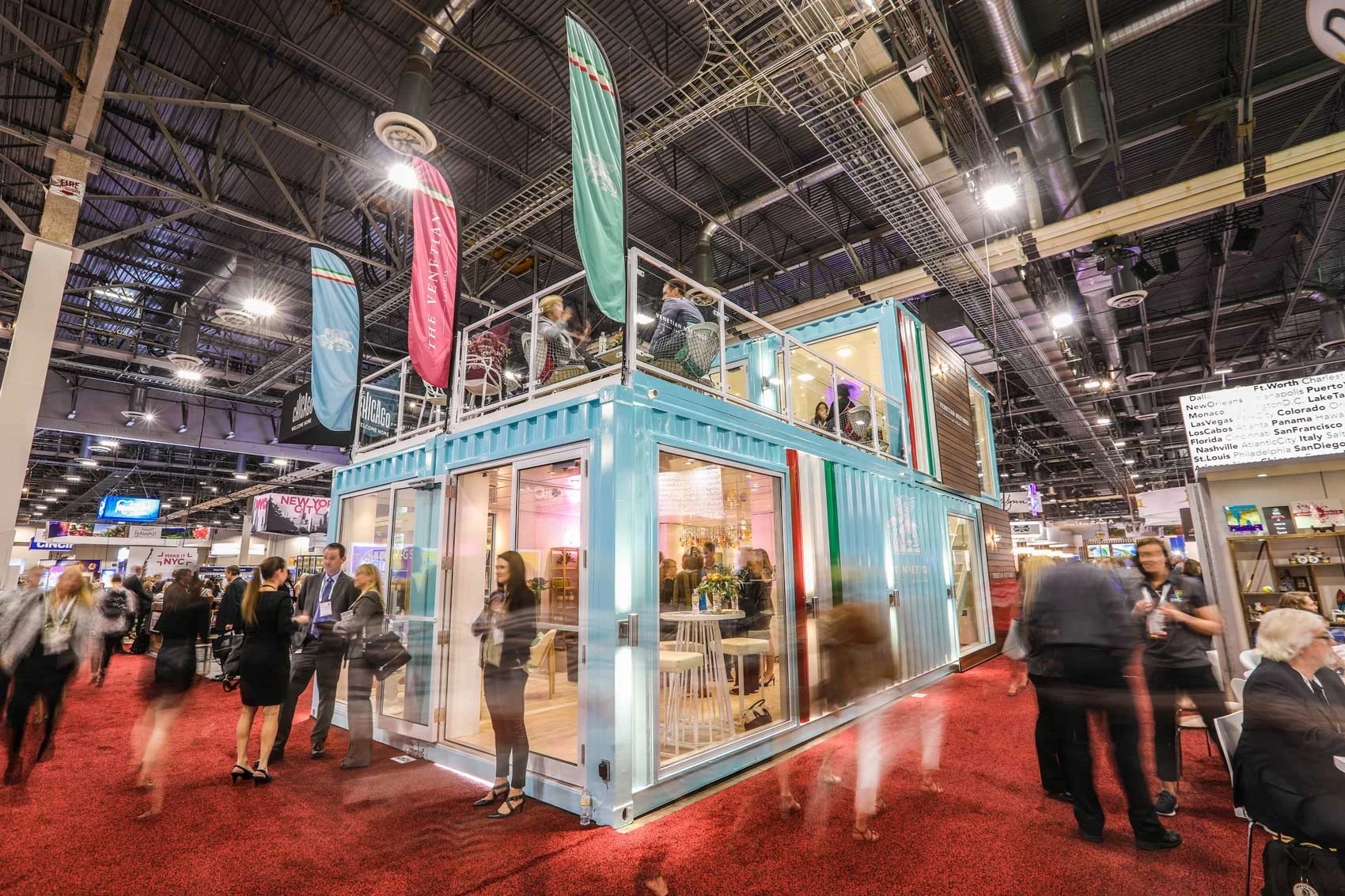
Union Market District and McLean are useful reference points because they show how quickly event conditions can change across the metro. One project may move through a waterfront resort, a convention hall, and a nearby hotel block within a few days. The buildouts has to support that pace without weakening finish quality, schedule control, or the exhibitor's ability to meet people effectively once the room opens.
The reason buyers ask for the buildouts is rarely cosmetic. They need a booth strategy that supports meetings and demos, a labor plan that respects venue requirements, and a production team that can manage the work from advance deadlines through dismantle. Trade Show Services of National Harbor treats that scope as an operational decision with real consequences for timing, cost, and event outcomes.
What we focus on
- Confirm venue approvals, utility ordering, and labor windows early enough to protect the schedule.
- Keep one production calendar for graphics, AV, fabrication, shipping, install, and strike.
- Use show-site supervision and stakeholder check-ins to protect a cleaner install, steadier show week, and fewer handoff gaps.
The National Harbor event landscape
Trade show weeks in National Harbor compress decisions.
the Walter E. Washington Convention Center as the dominant exhibit anchor in the region, with 700,000 square feet of exhibit space and 77 meeting rooms — a useful reference point when sizing a project.
The buildings that host National Harbor events
Crystal Gateway Marriott is one of the anchors. A largest room of about 16,000 square feet.
Hyatt Regency Crystal City at Reagan National Airport: a largest room of about 23,000 square feet.
Hilton Arlington Rosslyn the Key. 29,789 square feet of total meeting space.
How National Harbor floor operations work
Labor in National Harbor runs venue-by-venue, not citywide.
Practical planning rules for the buildouts in National Harbor: Frame labor execution around planning, supervision, sequencing, and compliance with venue-specific rules. Use the downtown convention core, National Harbor resort campus, and suburban conference belt as distinct operating contexts.
Where National Harbor shows cluster
National Harbor Waterfront Cluster covers National Harbor, Oxon Hill, Fort Washington.
Downtown DC Convention Core runs across Washington, DC, Downtown Washington, DC, Penn Quarter. Convention-center and headquarters-hotel cluster led by Walter E. Washington Convention Center and the surrounding downtown hotel inventory.
Scope on a product launch event buildouts project
The buildouts projects typically include design work, fabrication or rental sourcing, graphics production, show-service paperwork, freight, install, show-hours coverage, and strike.
a bad one has many, because they weren't.
How a project runs
After the brief, the work turns to the building itself.
Install days are owned by a single on-site lead.
Throughout show hours, the on-site lead stays present.
Strike and closeout happen the same day.
What it costs and how fast it moves
Every project has the same cost drivers.
Lead time drives everything. Custom: 16 to 20 weeks. Rental: 8 to 12.
How project performance gets measured
Most programs in National Harbor are evaluated on lead-capture volume, meetings booked on the floor, and qualified-pipeline attribution after the show. The booth is a means to those numbers — it is not the number itself.
A week after the show, the booth's actual floor performance is already clearer than any pre-show projection. We document those observations alongside the technical closeout so the next cycle inherits real signal, not nostalgia.
How we're built to run your project
Working with a National Harbor-based shop matters most when something goes wrong on-site. Solutions live within driving distance instead of on another coast.
Consistency across show dates is the other reason to hire local. The same crew that built the booth runs the install, knows the pack-out, and catches the small things — a missing hardware pack, a graphic edge that needs reseating, a storage crate routed to the wrong bay — without needing the client team to intervene.
Frequently asked questions
Do you work at Conrad Washington, DC?
Yes.
How does labor work in National Harbor?
It runs venue by venue.
How much lead time is ideal?
Custom builds run best with 16 to 20 weeks of lead time. Rentals take 8 to 12 weeks.
What information kicks off a project?
The show, the venue, the booth number, the dates, and a target budget range. From those, an initial scope and a realistic cost come back within a few days.
Who runs the booth on-site?
One named show-site lead runs the install, the show hours, and the strike. That person carries the floor plan and the punch list from crates to doors and reports up once a day.
Can the booth travel to the next city on our calendar?
Same structure, swappable graphics, standard crates.
What happens if something breaks during show hours?
The on-site lead handles it.