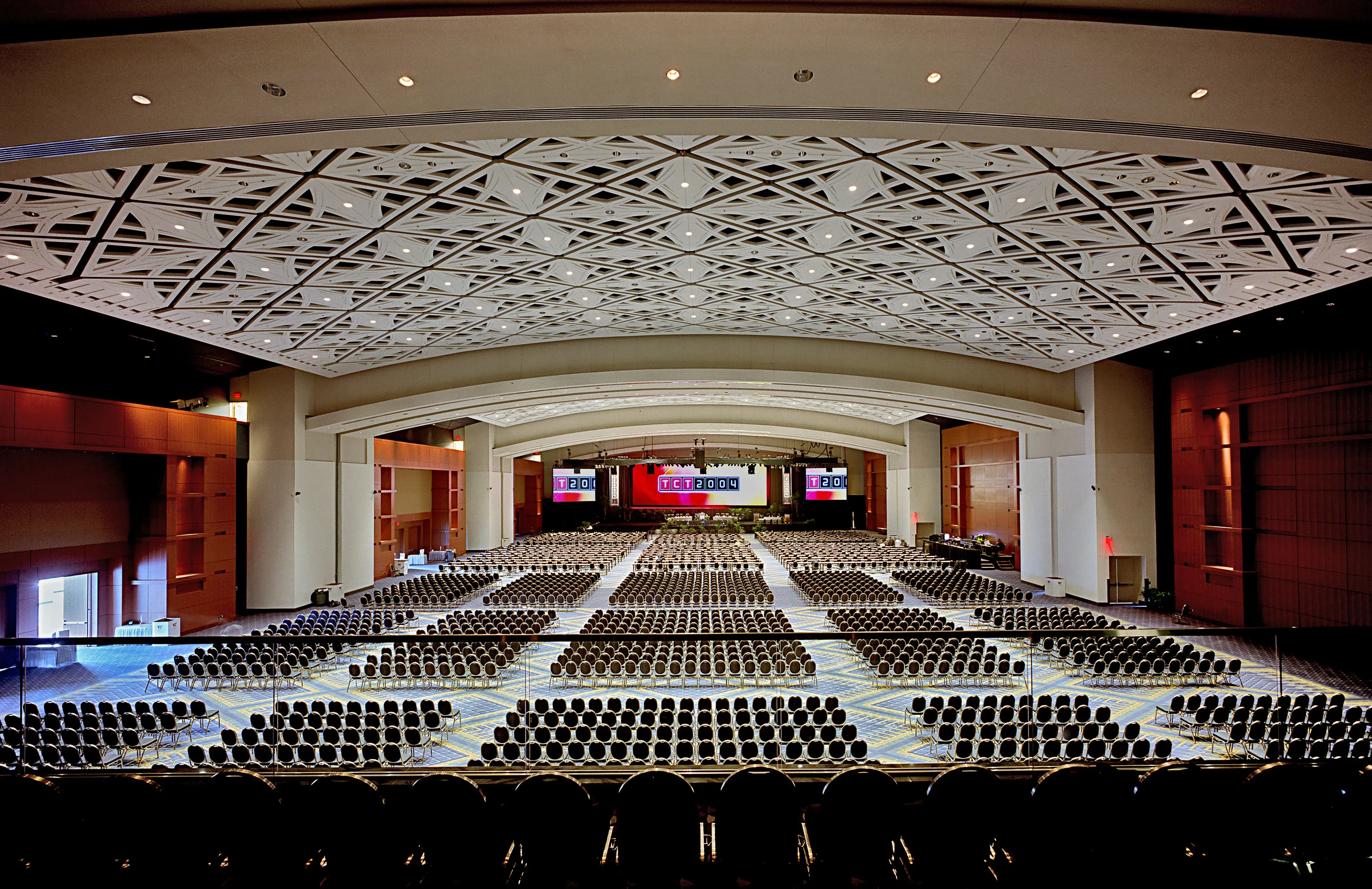
Walter E. Washington Convention Center should be planned as a working environment with its own dock logic, contractor approvals, service ordering rhythm, and attendee flow. Walter E. Those conditions shape how the booth is designed, when labor can start, how power and AV are installed, and what has to be finished before doors open.
Teams exhibiting at the center usually need more than a booth drawing. They need a reliable schedule for freight arrival, material handling, graphics readiness, utility orders, labor sequencing, and show-site supervision. The earlier those pieces are aligned, the easier it is to protect both the venue relationship and the event outcome.
Trade Show Services of National Harbor treats venue planning as part of the full show-week plan. That means connecting property rules with stakeholder approvals, exhibitor goals, sponsor obligations, staffing needs, and the support work that keeps a live room operating cleanly once the audience arrives.
What we focus on
- Frame Walter E. Washington Convention Center around dock access, approvals, utilities, and house rules.
- Test Walter E. Washington Convention Center against the way rooms, halls, and support areas affect the build before graphics, labor, or freight are locked.
- Use show-site supervision and stakeholder check-ins to protect a venue-ready plan that protects install, show hours, and dismantle.
The Walter E. Washington Convention Center footprint
Walter E.
The center tends to work best for trade shows, large expos, association conventions, sponsor programs.
Running a project here means working against the venue's own exhibitor manual, dock windows, and service-order deadlines. Those details are confirmed before any build commits to fabrication.
The National Harbor event landscape
Scope gets tighter; standards don't.
the Walter E.
How National Harbor floor operations work
Labor in National Harbor runs venue-by-venue, not citywide.
Practical planning rules for the center in National Harbor: Frame labor execution around planning, supervision, sequencing, and compliance with venue-specific rules.
Line items on a typical project
For programs that repeat, asset management becomes part of the engagement — storage, graphic rotation, refurbishment, and re-crating are planned rather than one-off.
Out of scope by default are show organizer fees, booth lease costs paid directly to the show, staff travel and per diems, and any custom software or data-capture tooling the client runs on its own stack. Those stay on the client side and plug into the project through coordination, not rebilling.
How a project runs
Once scope is clear, the venue work begins.
One named show-site lead runs the install.
That document drives the next booking.
What it costs and how fast it moves
Cost scales with how it is built, how big it is, what the venue charges for its own services, what the graphics look like, how far the crates travel, and how many days the team stays on-site.
Rental programs run on 8 to 12.
How project performance gets measured
Trade show ROI is measured at the lead and pipeline level.
The post-show debrief is where the numbers get connected back to the physical booth. Which demo station drew traffic, which meeting area closed more conversations, which graphic zone attracted dwell time — that feedback shapes the next build rather than getting lost.
How we're built to run your project
Local fabrication means real-time problem-solving. A graphic that needs to be reprinted at 6 a.m.
Clients who run repeat programs across multiple dates end up paying less per event when the same team handles everything. Less re-briefing, less re-training, less re-checking — the operational overhead drops year over year.
Frequently asked questions
How does labor work in National Harbor?
It runs venue by venue.
How much lead time is ideal?
Custom builds run best with 16 to 20 weeks of lead time. Rentals take 8 to 12 weeks.
What information kicks off a project?
The show, the venue, the booth number, the dates, and a target budget range. From those, an initial scope and a realistic cost come back within a few days.
Who runs the booth on-site?
One named show-site lead runs the install, the show hours, and the strike. That person carries the floor plan and the punch list from crates to doors and reports up once a day.
Can the booth travel to the next city on our calendar?
Same structure, swappable graphics, standard crates.
What happens if something breaks during show hours?
The on-site lead handles it.