Teams exhibiting at the armory usually need more than a booth drawing. They need a reliable schedule for freight arrival, material handling, graphics readiness, utility orders, labor sequencing, and show-site supervision. The earlier those pieces are aligned, the easier it is to protect both the venue relationship and the event outcome.
Trade Show Services of National Harbor treats venue planning as part of the full show-week plan. That means connecting property rules with stakeholder approvals, exhibitor goals, sponsor obligations, staffing needs, and the support work that keeps a live room operating cleanly once the audience arrives.
What we focus on
- Confirm venue approvals, utility ordering, and labor windows early enough to protect the schedule.
- Keep one production calendar for graphics, AV, fabrication, shipping, install, and strike.
- Use show-site supervision and stakeholder check-ins to protect a venue-ready plan that protects install, show hours, and dismantle.
About DC Armory
DC Armory is one of the venues we work on regularly in National Harbor.
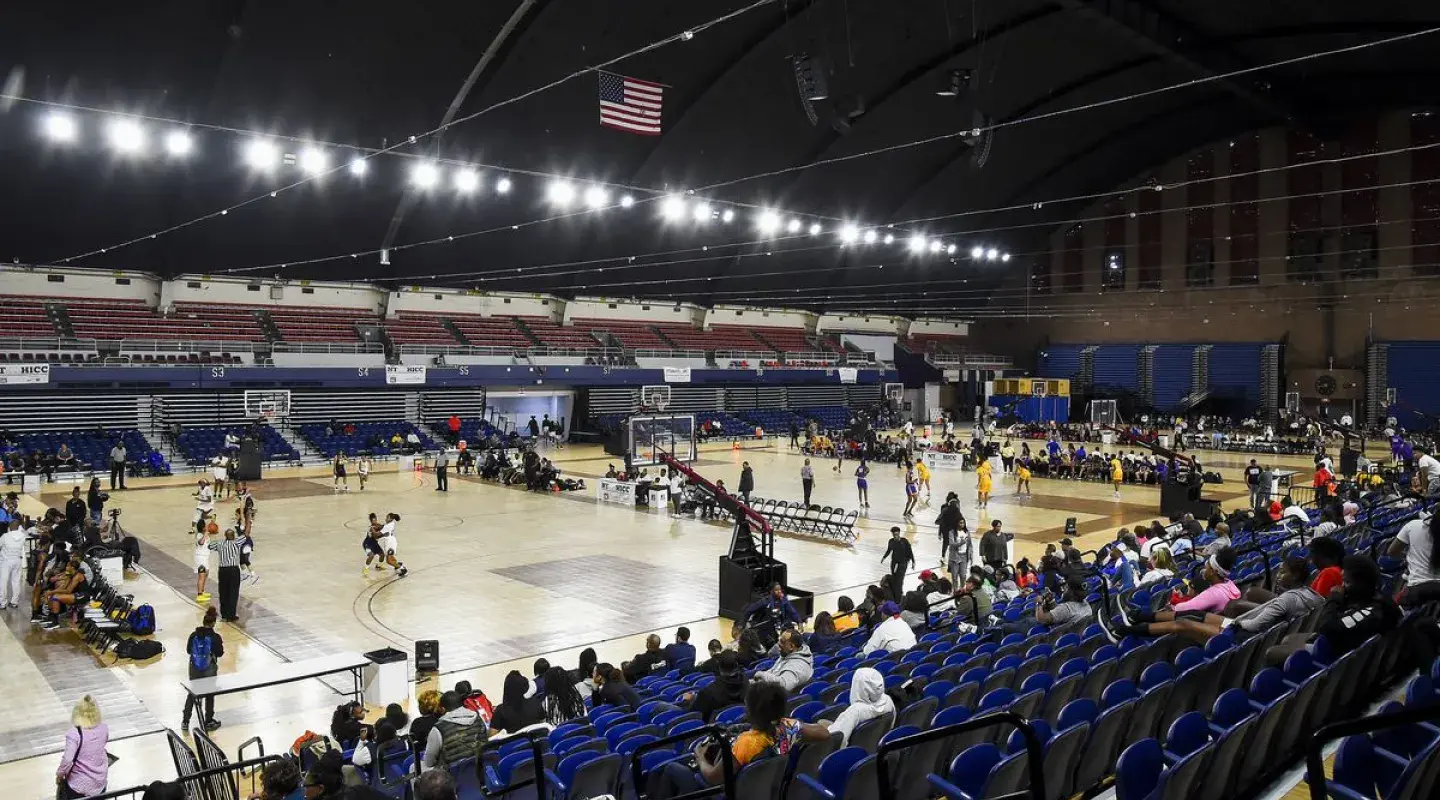
DC Armory tends to work best for fan events, large activations, public experiences, sponsor programs.
On any the armory project, the first step is pulling the current exhibitor manual and confirming the service-order deadlines, dock windows, and any rigging approval path. Design decisions come after those are locked.
What drives the National Harbor calendar
National Harbor is a working trade show market.
Gaylord National Resort & Convention Center says it has 543,889 square feet of total event space, 93 event rooms, and 101 breakout rooms, which makes National Harbor a true convention-scale anchor rather than a small hotel cluster — a useful reference point when sizing a project.
Operational rules on the National Harbor floor
Walter E.
Practical planning rules for the armory in National Harbor: Describe the market as mixed, venue-aware, and exhibitor-appointed-contractor friendly where permitted. Promise current venue review, organizer-manual review, and coordination with house or approved providers when required.
What's included in the project scope
Projects at the armory typically include design work, fabrication or rental sourcing, graphics production, show-service paperwork, freight, install, show-hours coverage, and strike.
Scope boundary is as important as scope inclusion.
What an engagement actually looks like
Everything downstream hinges on those answers.
Venue coordination comes next.
With venue details locked, production runs.
The install phase has one owner on the floor.
During show hours, the booth is a live operating space.
Pricing and scheduling
The levers that matter: build path (custom, rental, or hybrid), footprint, venue service fees, graphics, freight, and supervision days. A 10x10 turnkey rental and a 30x50 custom island with a double deck are entirely different projects.
A clean schedule starts 4 to 5 months out for custom work and 2 to 3 months for rentals. Shorter lead times are workable but push rush premiums and limit material choices.
What a successful project looks like
Exhibitors who measure programs seriously track leads, floor-booked meetings, and post-show pipeline. The build and the install are upstream inputs to those KPIs.
Client teams sometimes want the booth to carry the pipeline on its own, but the best-performing programs treat the booth as a platform and put real operators on it. On-floor conversation discipline moves the KPIs more than any scenic decision.
What makes our work different
The difference from a national vendor shows up at the dock.
Over a multi-show calendar, the compound value of a single team shows up in fewer surprises. The second install is faster than the first, the third is faster than the second, and by the fourth the project runs on memory and documentation rather than first-principles planning.
Frequently asked questions
How does labor work in National Harbor?
It runs venue by venue. Walter E.
How much lead time is ideal?
Custom builds run best with 16 to 20 weeks of lead time. Rentals take 8 to 12 weeks.
What information kicks off a project?
The show, the venue, the booth number, the dates, and a target budget range. From those, an initial scope and a realistic cost come back within a few days.
Who runs the booth on-site?
One named show-site lead runs the install, the show hours, and the strike. That person carries the floor plan and the punch list from crates to doors and reports up once a day.
Can the booth travel to the next city on our calendar?
Same structure, swappable graphics, standard crates.
What happens if something breaks during show hours?
The on-site lead handles it.