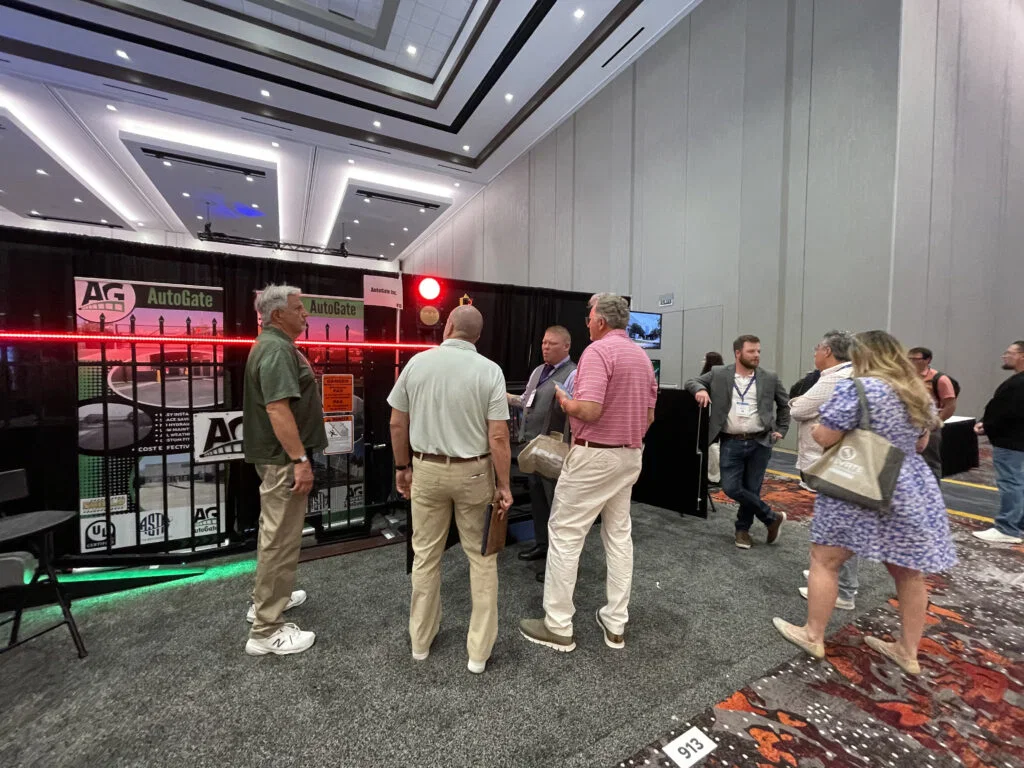
Washington Hilton and Ballston are useful reference points because they show how quickly event conditions can change across the metro. One project may move through a waterfront resort, a convention hall, and a nearby hotel block within a few days. The coordination has to support that pace without weakening finish quality, schedule control, or the exhibitor's ability to meet people effectively once the room opens.
The reason buyers ask for the coordination is rarely cosmetic. They need a booth strategy that supports meetings and demos, a labor plan that respects venue requirements, and a production team that can manage the work from advance deadlines through dismantle. Trade Show Services of National Harbor treats that scope as an operational decision with real consequences for timing, cost, and event outcomes.
What we focus on
- Confirm venue approvals, utility ordering, and labor windows early enough to protect the schedule.
- Keep one production calendar for graphics, AV, fabrication, shipping, install, and strike.
- Use show-site supervision and stakeholder check-ins to protect a cleaner install, steadier show week, and fewer handoff gaps.
National Harbor trade show market
Trade shows in National Harbor move fast.
Trade show weeks in National Harbor compress decisions.
National Harbor convention venues and meeting properties
a few National Harbor venues carry most of the calendar.
the plan has to match the specific building.
JW Marriott Washington, DC suits conferences, headquarters hotels, breakout heavy programs, sponsor events.
Salamander DC. 36,100 square feet of total meeting space.
National Harbor labor and venue services
The workable version of National Harbor labor planning is boring on purpose: read the manual, match the scope to its categories, order what the venue sells directly, and schedule everything else around its posted windows. Surprises almost always trace back to a step someone skipped.
Frame labor execution around planning, supervision, sequencing, and compliance with venue-specific rules.
National Harbor neighborhoods and event districts
Alexandria Corridor covers Alexandria, Old Town Alexandria.
DC Waterfront and Federal Core — the Wharf, Capitol Riverfront, Georgetown — is a different environment. Hospitality-driven event geography for sponsor programming, executive events, and offsite activity layered onto the convention market.
Scope on a trade show labor coordination project
Individual projects layer or remove items based on scope.
a bad one has many, because they weren't.
The process from start to finish
After the brief, the work turns to the building itself.
With venue details locked, production runs. Build, print, AV integration, rentals, and the on-site lead's playbook all come together in this phase.
One named show-site lead runs the install.
Throughout show hours, the on-site lead stays present.
After the show, strike runs against the venue's posted window, and a same-day debrief captures what held and what needs to change before the next date.
Budget and timeline
Every project has the same cost drivers.
The levers that matter: build path (custom, rental, or hybrid), footprint, venue service fees, graphics, freight, and supervision days. A 10x10 turnkey rental and a 30x50 custom island with a double deck are entirely different projects.
Rental programs run on 8 to 12.
Outcomes we optimize for
Exhibitors who measure programs seriously track leads, floor-booked meetings, and post-show pipeline. The build and the install are upstream inputs to those KPIs.
The post-show debrief is where the numbers get connected back to the physical booth. Which demo station drew traffic, which meeting area closed more conversations, which graphic zone attracted dwell time — that feedback shapes the next build rather than getting lost.
The advantage of a local National Harbor team
Working with a National Harbor-based shop matters most when something goes wrong on-site. Solutions live within driving distance instead of on another coast.
Over a multi-show calendar, the compound value of a single team shows up in fewer surprises. The second install is faster than the first, the third is faster than the second, and by the fourth the project runs on memory and documentation rather than first-principles planning.
Frequently asked questions
Do you work at Crystal Gateway Marriott?
Yes.
How does labor work in National Harbor?
It runs venue by venue.
How much lead time is ideal?
Custom builds run best with 16 to 20 weeks of lead time. Rentals take 8 to 12 weeks.
What information kicks off a project?
The show, the venue, the booth number, the dates, and a target budget range. From those, an initial scope and a realistic cost come back within a few days.
Who runs the booth on-site?
One named show-site lead runs the install, the show hours, and the strike. That person carries the floor plan and the punch list from crates to doors and reports up once a day.
Can the booth travel to the next city on our calendar?
Same structure, swappable graphics, standard crates.
What happens if something breaks during show hours?
The on-site lead handles it.