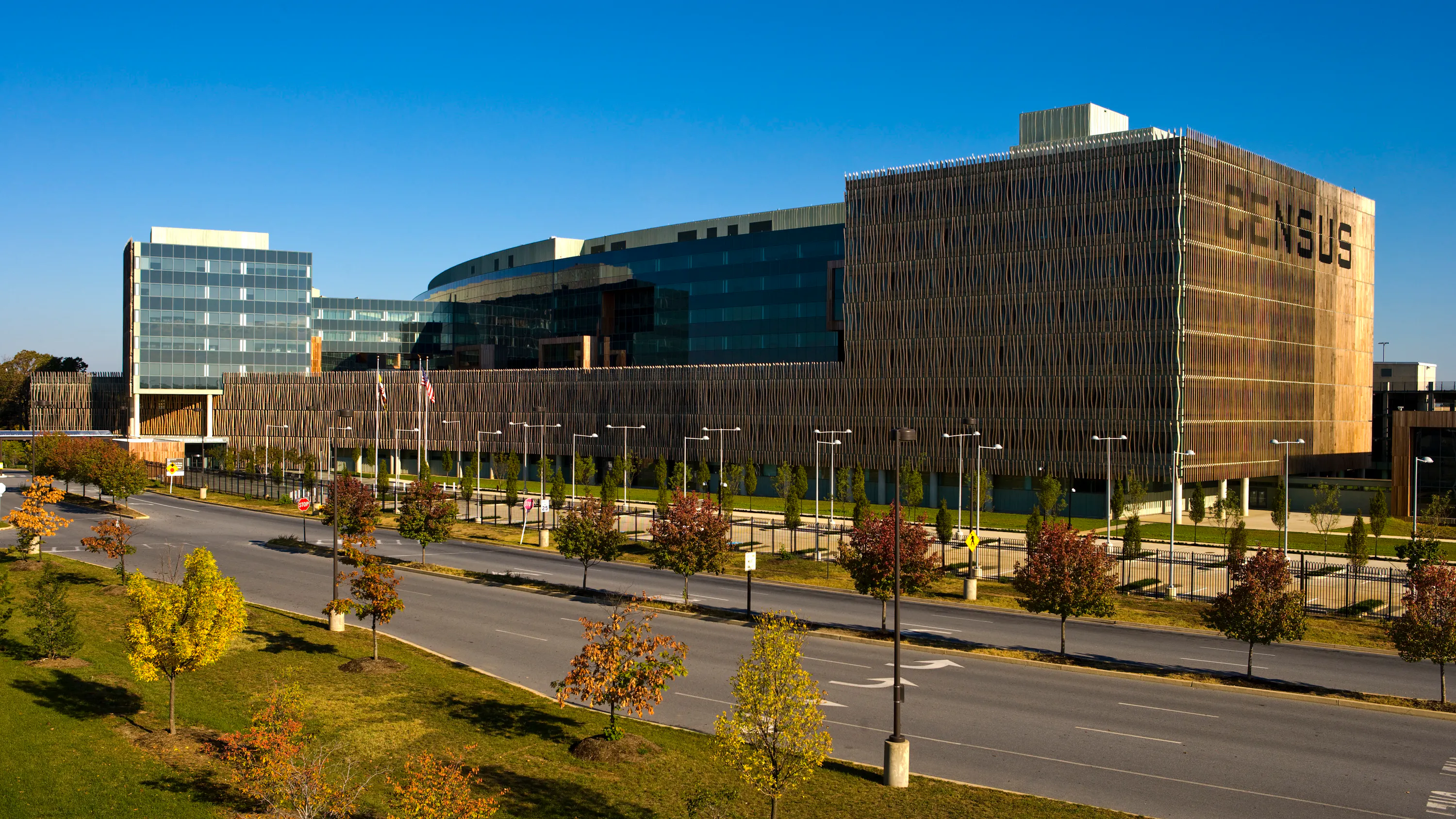
Suitland is tied to the broader Washington event economy through government-adjacent location that feeds dc and national harbor event circulation..
That is why Product Launch Event Buildouts and airport-accessible conferences and headquarters hotels activity matter here: they influence how much control the exhibitor needs before install begins and how much flexibility the booth must keep during show week.
What we focus on
- Confirm venue approvals, utility ordering, and labor windows early enough to protect the schedule.
- Keep one production calendar for graphics, AV, fabrication, shipping, install, and strike.
- Use show-site supervision and stakeholder check-ins to protect a market strategy that matches the calendar, freight path, and venue mix.
What drives the National Harbor calendar
Scope gets tighter; standards don't.
Gaylord National Resort & Convention Center says it has 543,889 square feet of total event space, 93 event rooms, and 101 breakout rooms, which makes National Harbor a true convention-scale anchor rather than a small hotel cluster.
The buildings that host National Harbor events
Large downtown meetings hotel connected to Metro and suitable for conferences with breakout-heavy agendas.
Capital Hilton. 29,973 square feet of total meeting space.
How National Harbor floor operations work
Labor in National Harbor runs venue-by-venue, not citywide.
Practical planning rules for Suitland in National Harbor: Frame labor execution around planning, supervision, sequencing, and compliance with venue-specific rules. Use the downtown convention core, National Harbor resort campus, and suburban conference belt as distinct operating contexts.
Line items on a typical project
Design has to hand a build-ready drawing to fabrication. Every handoff is a place quality can drop.
Those run alongside the engagement rather than inside it.
How a project runs
After the brief, the work turns to the building itself.
With venue details locked, production runs.
One named show-site lead runs the install.
Throughout show hours, the on-site lead stays present.
Pricing and scheduling
Every project has the same cost drivers.
Rental programs run on 8 to 12.
Outcomes we optimize for
Exhibitors who measure programs seriously track leads, floor-booked meetings, and post-show pipeline. The build and the install are upstream inputs to those KPIs.
The post-show debrief is where the numbers get connected back to the physical booth. Which demo station drew traffic, which meeting area closed more conversations, which graphic zone attracted dwell time — that feedback shapes the next build rather than getting lost.
What makes our work different
Working with a National Harbor-based shop matters most when something goes wrong on-site. Solutions live within driving distance instead of on another coast.
Over a multi-show calendar, the compound value of a single team shows up in fewer surprises. The second install is faster than the first, the third is faster than the second, and by the fourth the project runs on memory and documentation rather than first-principles planning.
Trade show work in Suitland
Suitland sits in the Prince George's County South area.
Production for Suitland shows starts with the same brief we run for the rest of National Harbor: venue specifics, show dates, footprint, outcome. Freight paths and local vendor availability are the variables that shift from the city core.
Frequently asked questions
Do you work at the Hotel at the University of Maryland?
Yes. It is a hotel and conference center adjacent to the University of Maryland campus.
How does labor work in National Harbor?
It runs venue by venue.
How much lead time is ideal?
Custom builds run best with 16 to 20 weeks of lead time. Rentals take 8 to 12 weeks.
What information kicks off a project?
The show, the venue, the booth number, the dates, and a target budget range. From those, an initial scope and a realistic cost come back within a few days.
Who runs the booth on-site?
One named show-site lead runs the install, the show hours, and the strike. That person carries the floor plan and the punch list from crates to doors and reports up once a day.
Can the booth travel to the next city on our calendar?
Same structure, swappable graphics, standard crates.
What happens if something breaks during show hours?
The on-site lead handles it.